Full Viscosity Range
From low-DP to M1000-class high-viscosity charges across M, X and C series plus sheet cotton pulp — one supplier for plants running multiple end products.
Start from your downstream process and jump straight to the grades, requirements and buyer checklists that matter. If your route isn’t listed, choose Other Derivatives and tell us how you run it.

Cellulose ethers are built on the alpha-cellulose backbone of refined cotton. The feedstock’s degree of polymerization sets the viscosity ceiling of your finished ether; its purity governs etherification efficiency, solution clarity and water retention. Whether your line runs construction-grade dry-mix additives, paint thickeners, polymerization suspenders or personal-care rheology modifiers, matching the charge viscosity keeps substitution ratios and reactor recipes stable lot after lot.
Recommended grades
Nitrocellulose for coatings, printing inks, wood lacquers and leather finishes depends on feedstock that nitrates evenly and introduces almost no non-cellulosic contamination. Our high-purity refined cotton supports stable nitrogen content and clean lacquer solutions — while the brightness and cleanliness of the fibers reduce filtration load and reject rates on your line.
Recommended grades
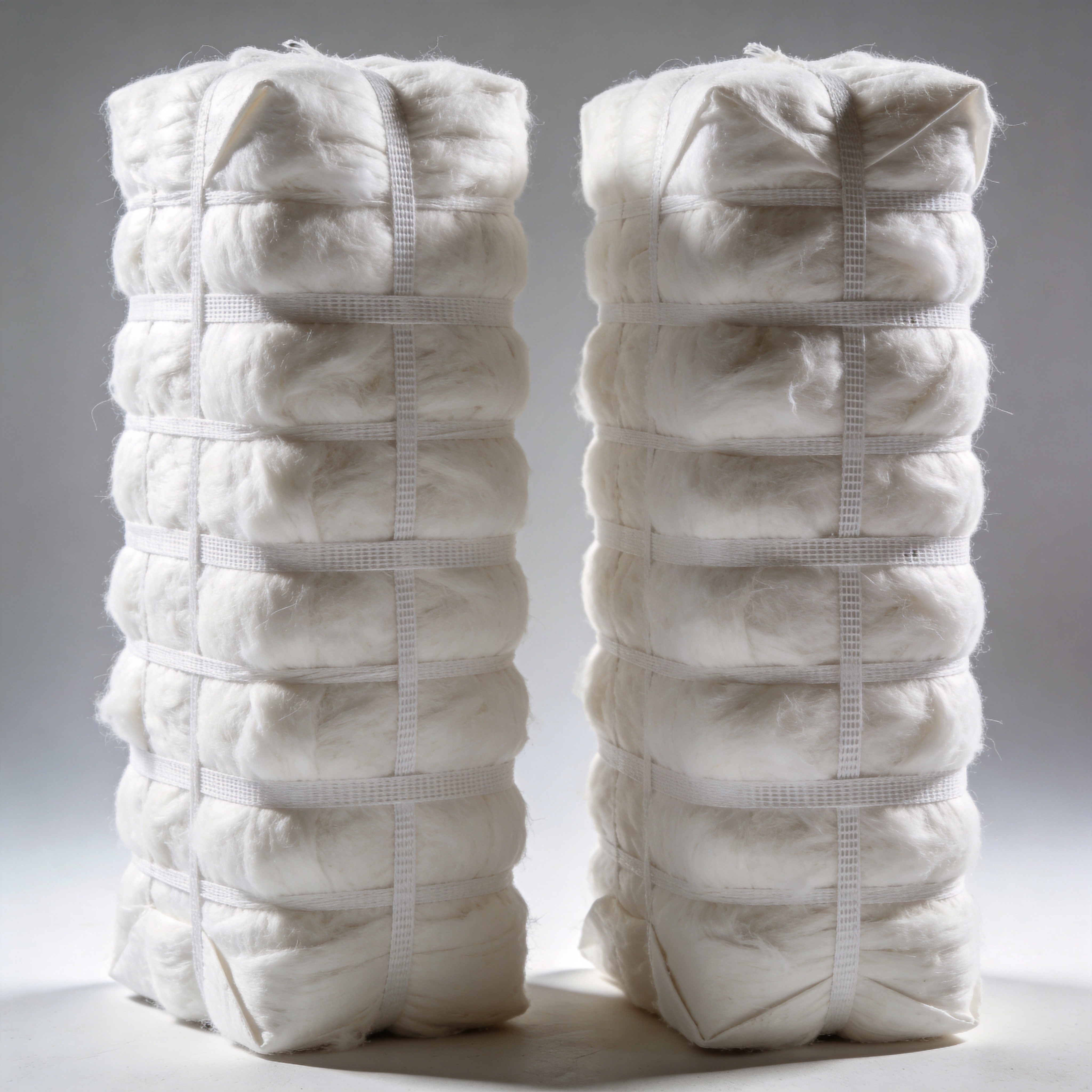
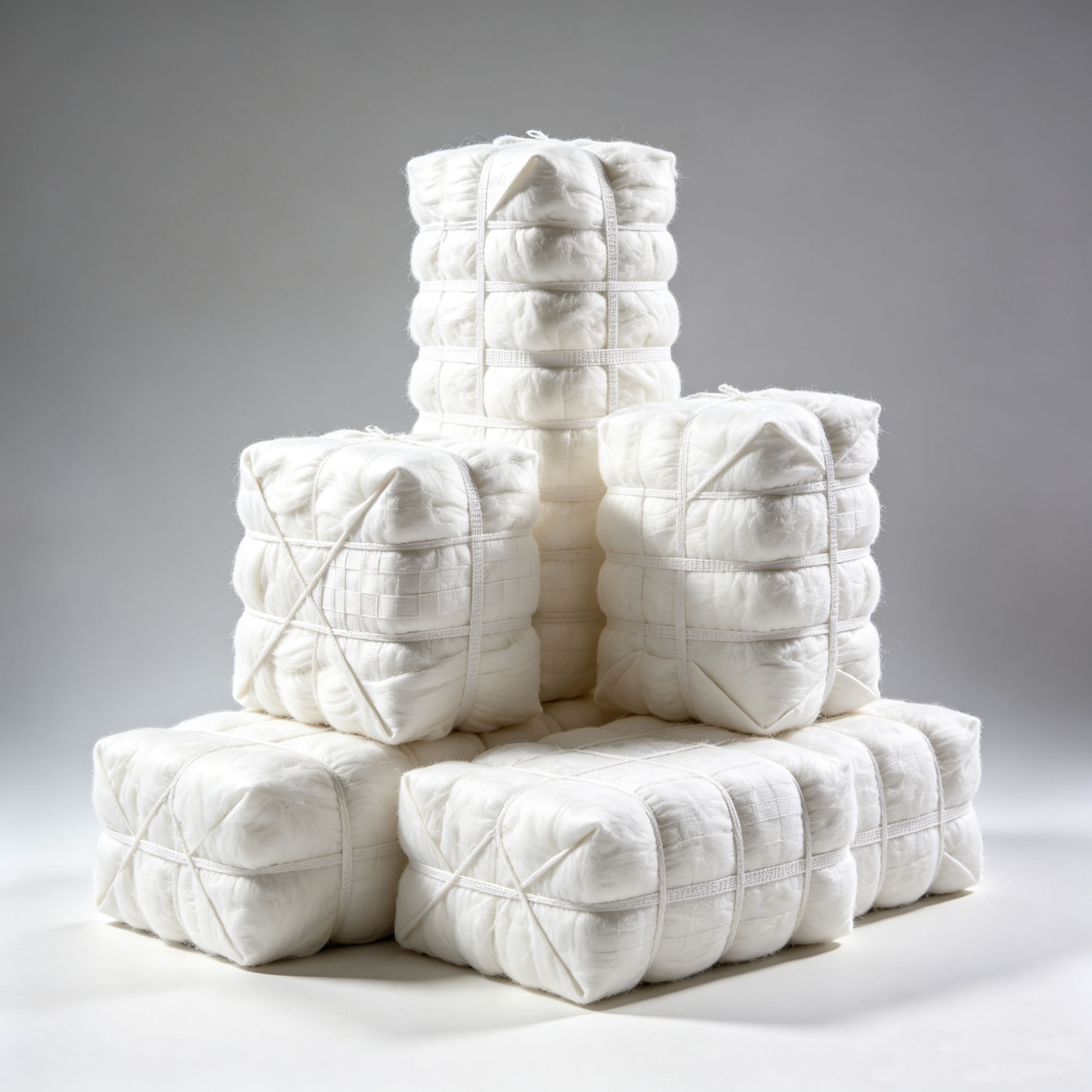
Cellulose acetate — tow, filaments, films, frames and filter media — requires cellulose with a uniform degree of polymerization and steady acetylation reactivity. Our refined cotton and sheet cotton pulp help hold acetylation kinetics constant between lots, so dope filterability and fiber quality stay predictable without constant recipe correction.
Recommended grades
Microcrystalline cellulose — the binder–disintegrant workhorse of tableting and a functional ingredient in food and specialty applications — is made by controlled acid hydrolysis of high-purity cellulose. Feedstock alpha-cellulose, ash and metal content define the hydrolysis window and final particle behavior. Our linter-based grades are built for this purity-sensitive route. We supply the raw material; finished-product registrations and certifications remain with the derivative producer.
Recommended grades
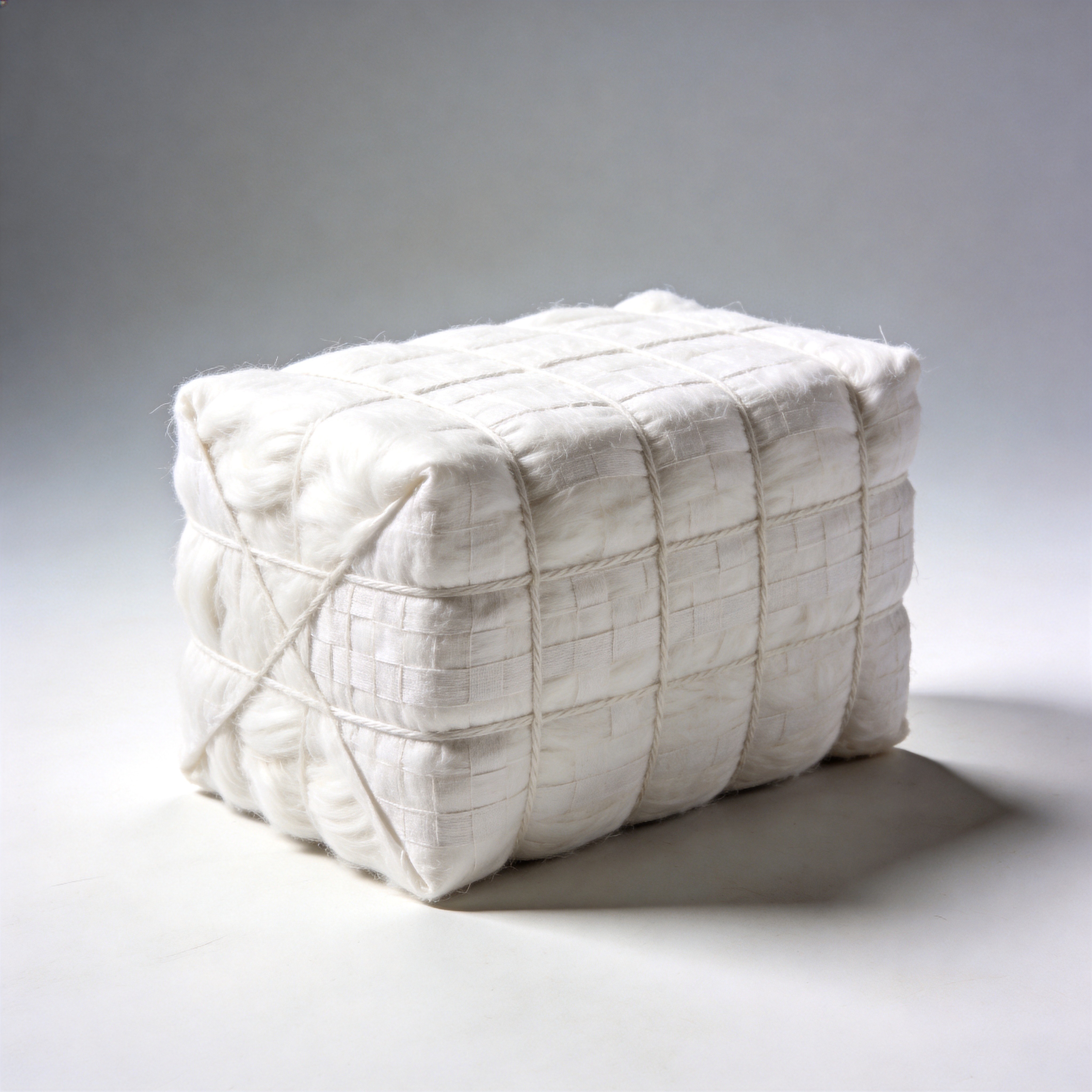
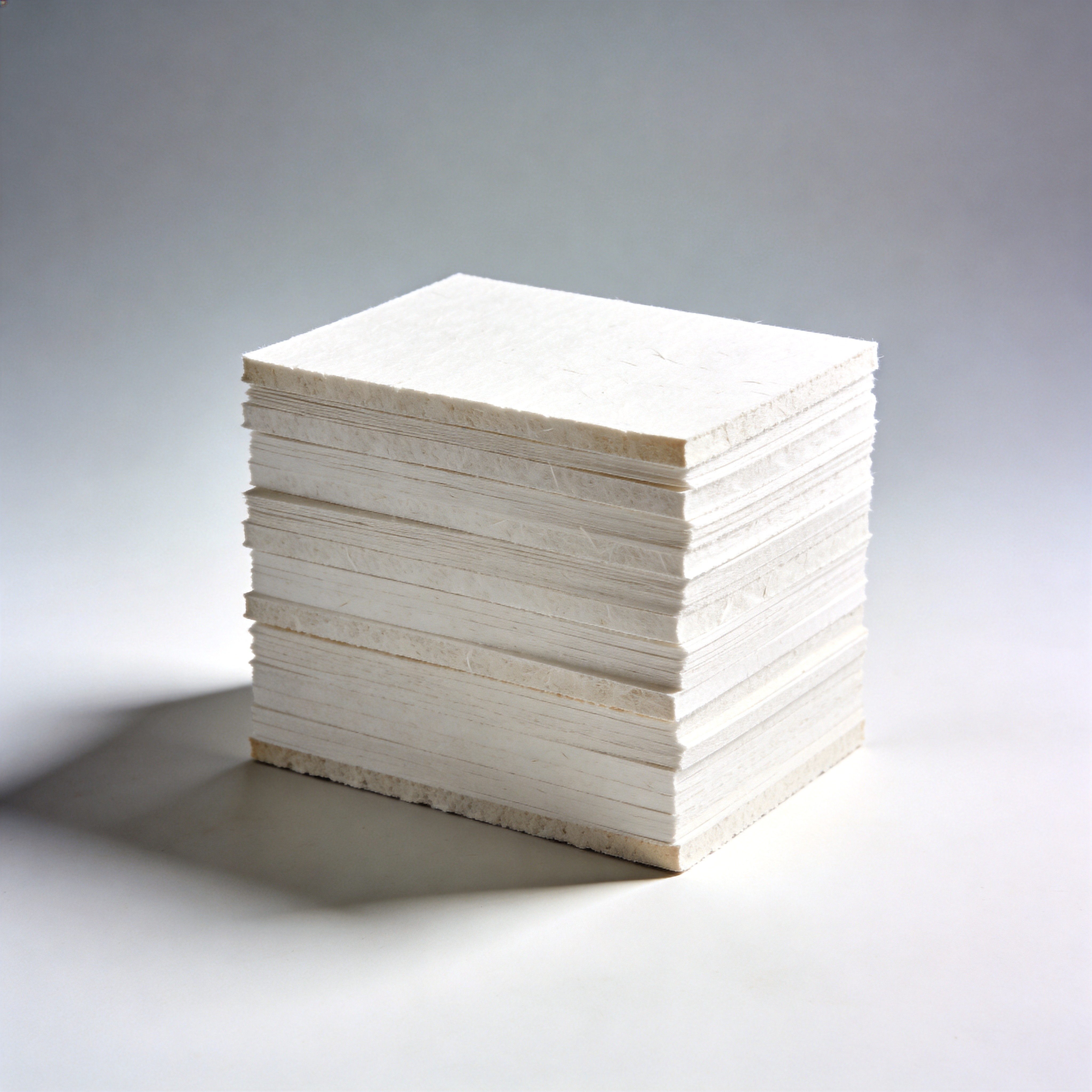
Cotton-rich specialty papers — filtration papers, vulcanized fiber, security and technical substrates, and high-performance nonwovens — draw tear strength, absorbency and chemical purity from cotton fiber. Our sheet-form cotton pulp offers controlled DP and cleanliness, and blends predictably into your stock preparation alongside wood or synthetic fibers.
Recommended grades
CMC and PAC, viscose and filament feedstock, cellulose carbamate, carbon-fiber precursors and other specialty derivatives each strike a different balance of viscosity, reactivity and purity. If your route is not listed above, send us your process and target spec — our technical team matches an existing grade or builds a custom one for your line.
Recommended grades
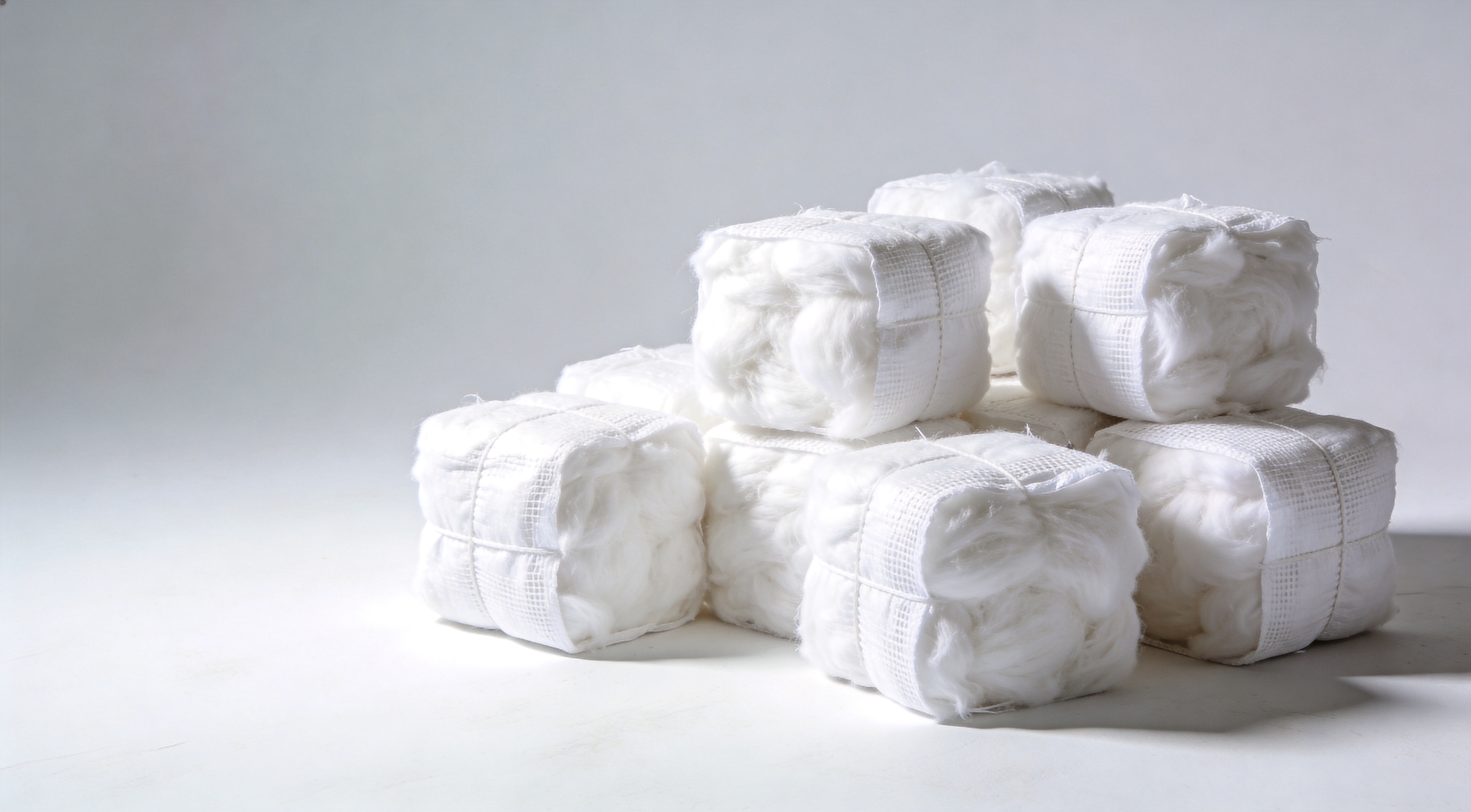
Six downstream industries, one standard: matched grades, batch-to-batch stability and documentation that clears your incoming inspection.
From low-DP to M1000-class high-viscosity charges across M, X and C series plus sheet cotton pulp — one supplier for plants running multiple end products.
IQC, IPQC and OQC checkpoints, with viscosity, alpha-cellulose, ash, iron and moisture on every COA — so your recipe never chases the raw material.
Target viscosity, DP, brightness, bale density or sheet format adjusted to your process; trial grades produced for qualification runs.
Send your application and target viscosity: technical data sheets, trial-sample terms and a quote — usually arranged within 24 work hours.
Not sure which grade fits your line? Send your application, process notes and target viscosity. Our technical team replies with a grade match, TDS and sample terms within 24 work hours.
Request TDS, samples and a quote matched to your application and destination port. Every batch ships with COA — and factory audits are always welcome.
● WhatsApp usually answered within 1 hour on workdays (GMT+8)